

Why Do My Nails Keep Breaking? Causes, Prevention and Treatment
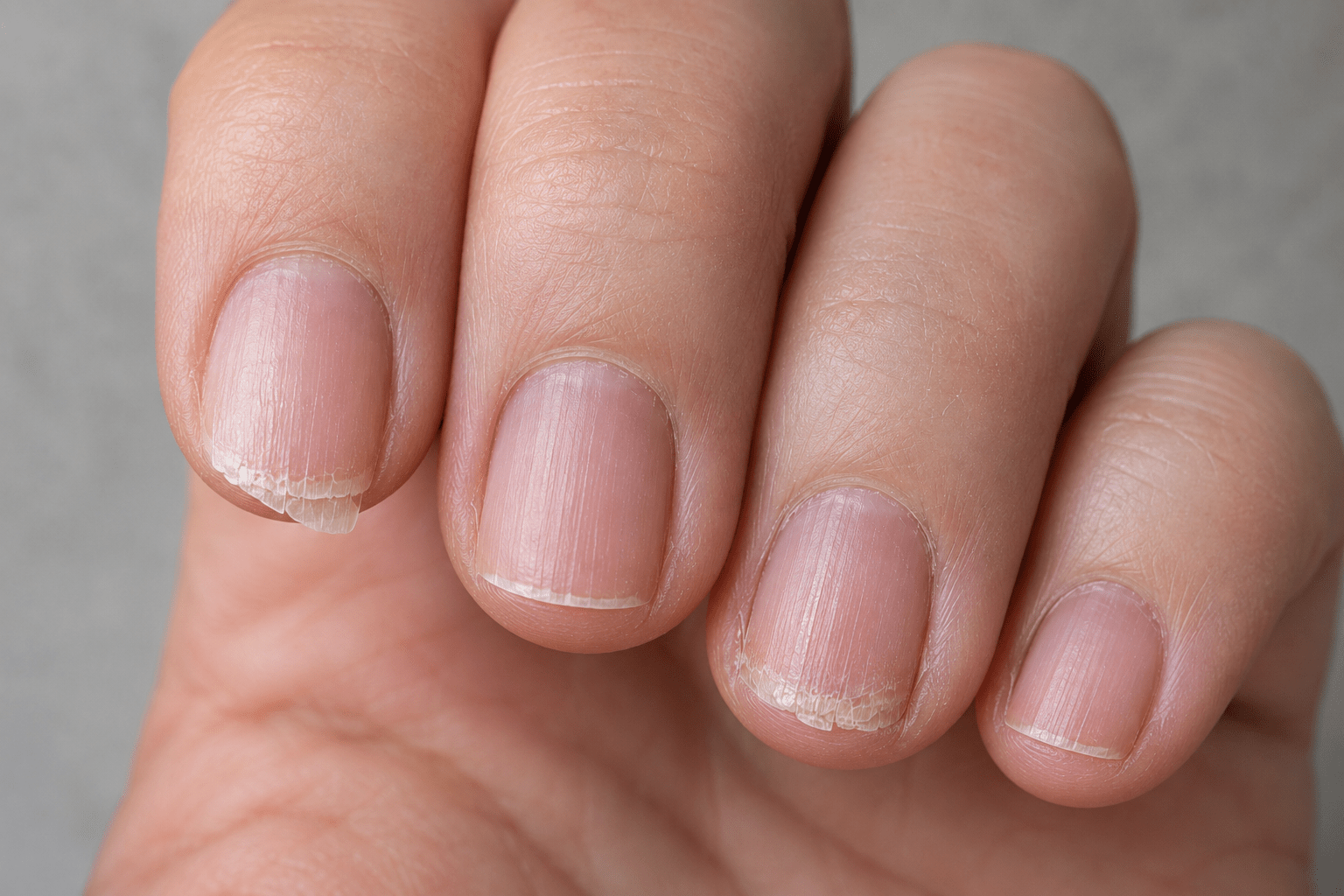
“Why do my nails keep breaking?” If you’ve been asking yourself this question, you’re not alone. Healthy nails should feel strong, smooth, and resilient. However, many people experience nails that split, peel, crack, or break before they have a chance to grow. While occasional breakage is normal, frequent nail damage can be frustrating and may indicate that your nails need extra care and protection.
A variety of factors can affect nail strength, from everyday habits and environmental exposure to dehydration and improper nail care. Understanding what causes brittle nails can help you make simple changes that support healthier nail growth and reduce breakage over time.
In this guide, we’ll explore the most common causes of weak nails, practical ways to prevent damage, and expert tips for maintaining strong, healthy nails.
What Causes Nails to Break?
Your nails are made of layers of a protein called keratin. When these layers become weakened or damaged, nails can become brittle, split, peel, or break more easily.
1. Frequent Exposure to Water
Repeatedly soaking your hands in water can weaken the nail structure. Nails absorb water and expand, then contract as they dry. Over time, this process can make nails brittle and prone to splitting.
Activities such as washing dishes, cleaning, swimming, or frequent hand washing can all contribute to weakened nails.
2. Harsh Cleaning Products
Many household cleaning products contain chemicals that can strip moisture from both your skin and nails. Without adequate hydration, nails become dry and more likely to crack or split.
Wearing gloves while cleaning is one of the simplest ways to protect your nails.
3. Dryness and Lack of Moisture
Just like your skin, your nails need moisture to remain healthy. Dry nails are often brittle nails. Cold weather, indoor heating, excessive hand washing, and certain beauty products can all contribute to dehydration.
Regular use of cuticle oil and hand cream can help maintain flexibility and reduce breakage.
5. Using Nails as Tools
Many people unknowingly put stress on their nails by using them to open cans, scratch labels, or pick at packaging. Although nails may seem strong, repeated pressure can create tiny fractures that eventually lead to breakage.
6. Picking or Peeling Nail Products
Removing gel polish, BIAB, or other nail products by picking or peeling can remove layers of the natural nail along with the product. This leaves the nail thinner and more vulnerable to damage.
Professional removal is always recommended to protect nail health.
7. Nutritional Factors
Healthy nails rely on a balanced diet rich in vitamins, minerals, and protein. Low levels of nutrients such as iron, zinc, biotin, and protein may affect nail strength and growth. If you are concerned about persistent nail weakness, consider discussing it with a healthcare professional.
How to Prevent Nail Breakage
The good news is that many causes of nail breakage can be addressed with a few simple changes to your routine.
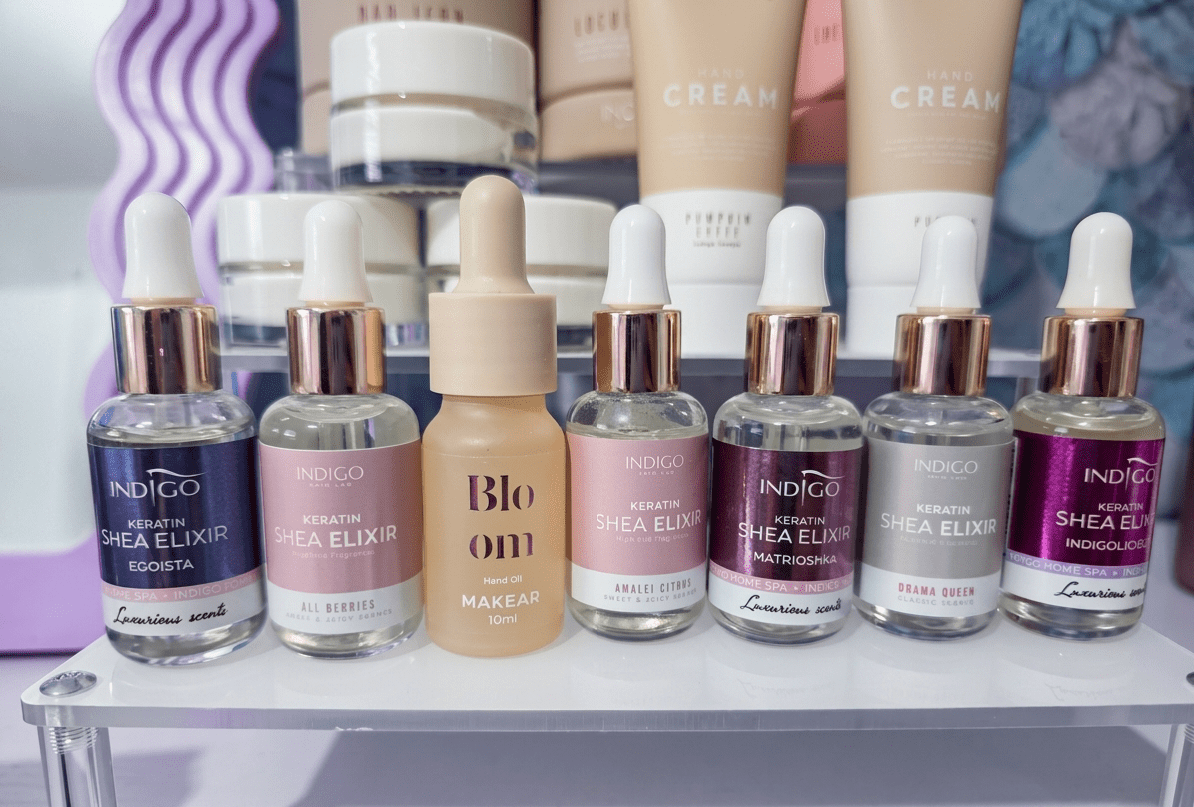
Keep Nails Hydrated
Apply cuticle oil daily and use a nourishing hand cream throughout the day, especially after washing your hands. Hydrated nails are more flexible and less likely to split.
Wear Protective Gloves
Use gloves when cleaning, gardening, or washing dishes to reduce exposure to water and chemicals.
Maintain a Healthy Nail Length
Very long nails may look beautiful, but they are more vulnerable to accidental knocks and breaks. Keeping nails at a practical length can help prevent damage.
Be Gentle with Your Nails
Avoid using your nails as tools and take care when typing, opening packages, or carrying heavy objects.
Book Regular Nail Maintenance
Professional nail treatments can help strengthen and protect natural nails when properly maintained. Regular appointments allow your nail technician to monitor nail health and address any concerns before they become larger problems.
Signs Your Nails Need Extra Care
You may benefit from improving your nail care routine if you notice:
Frequent splitting or peeling
Nails breaking shortly after growing
Rough or uneven nail surface
Dry cuticles
Thin or weak nail plate
Slow nail growth
Can Professional Nail Treatments Help Prevent Breakage?
While a good home care routine is important, some nails benefit from additional support. A clear rubber base or BIAB overlay can help protect weak or brittle nails from everyday wear and tear, reducing the risk of breakage and giving the natural nail an opportunity to grow stronger underneath.
For personalised advice, you’re welcome to BOOK AN APPOINTMENT where we can assess your natural nails and recommend the most suitable products and treatments to support healthy nail growth.
When Should You Seek Professional Advice?
Occasional breakage is completely normal. However, if your nails suddenly become extremely brittle, discoloured, painful, or show significant changes in texture, it may be worth consulting a healthcare professional.
Changes in nail health can sometimes be linked to underlying health conditions that require medical attention.